
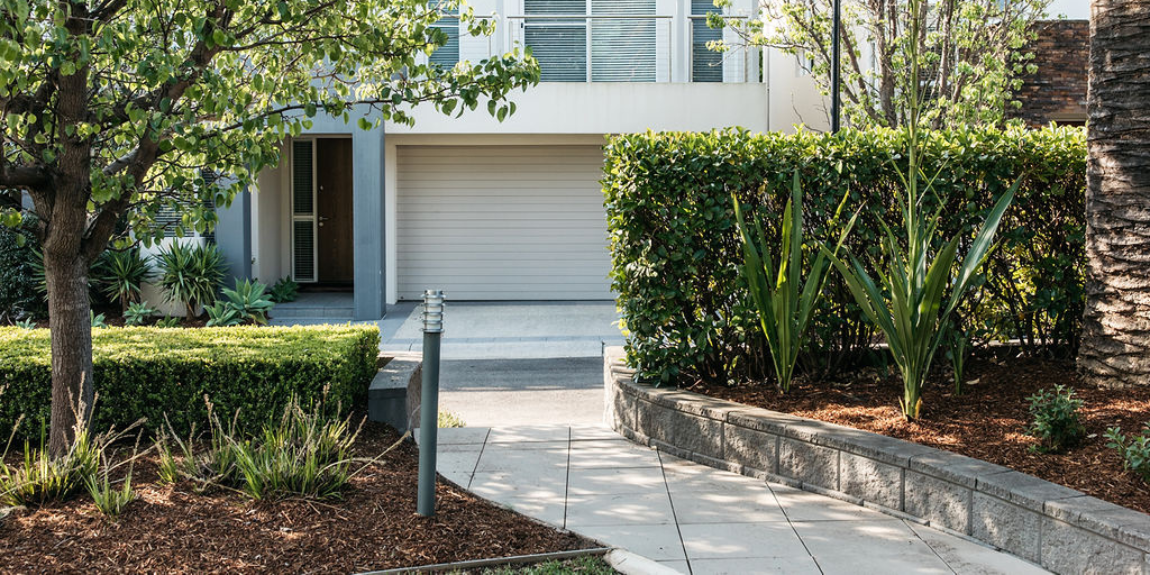
Mulching is one of the simplest and most effective ways to improve your garden’s health and appearance. Whether you’re looking to conserve water, reduce weeds, or boost soil quality, proper mulching can make a big difference especially in Sydney’s climate.
In this post, we’ll walk you through the different types of mulch, how to apply it correctly, and the best time to mulch for maximum benefit. These are tried-and-tested tips from our garden maintenance team, so your garden can thrive year-round.
What is Mulch and Why Does Your Garden Need It?
Mulch is any material laid over the surface of your soil to retain moisture, suppress weeds, regulate soil temperature, and enrich your garden as it breaks down.
Benefits of mulching include:
- Retaining soil moisture (especially important in hot Sydney summers)
- Reducing weed growth
- Improving soil health and structure
- Adding a near, finished look to your garden beds
Tip: A well-mulch garden can reduce watering needs by up to 70%, a huge win during Sydney’s water restrictions.
Types of Mulch: Which One is Right for Your Garden?
Organic Mulch (Breaks down over time and feeds the soil)
- Sugar Cane Mulch: Lightweight, great for veggie gardens
- Lucerne Mulch: Nutrient-rich and ideal for flower beds or edibles
- Bark or Wood Chip Mulch: Long-lasting and decorative, perfect for established trees and garden beds
- Straw or Pea Straw: Excellent for vegetable patches
Inorganic Mulch (Does not break down, long-lasting)
- Pebbles or Gravel: Best for dry areas or modern landscapes
- Rubber Mulch: Often used in play areas or around high-traffic zones
Tip: Organic mulch is generally better for soil health and is what we recommend for most residential garden maintenance in Sydney.
How to Apply Mulch Properly
A few simple steps can make your mulch much more effective:
- Weed the area first – Mulching over existing weeds can actually help them grow.
- Water the soil before mulching – Moist soil locks in hydration.
- Apply 5-7cm of mulch – Any less won’t block weeds, and too much can suffocate roots.
- Keep mulch away from plant stems – Leave a 2-5cm gap to prevent rot and pest issues.
Tip: Top up your mulch annually, or when it starts to thin out or break down.
When Is the Best Time to Mulch in Sydney?
- Autumn: Helps prepare your garden for cooler months and conserves soil warmth
- Spring: Retains moisture before the hot months and gives your plants a head start
- After heavy weeding or planting: Mulch acts as a natural finishing touch and protector
Tip: Avoid mulching during periods of heavy rain or when plants are already waterlogged.